
Niacinamide benefits are becoming increasingly recognized in various fields, from skincare to mental health. This versatile compound, a form of vitamin B3, plays a crucial role in enhancing our skin’s appearance and overall well-being.
In skincare, it hydrates, minimizes pores, and improves texture, while in nutrition, it supports metabolic functions. Additionally, research is exploring its potential in boosting mental health, making niacinamide a compelling topic worth delving into.
Niacinamide in Skincare
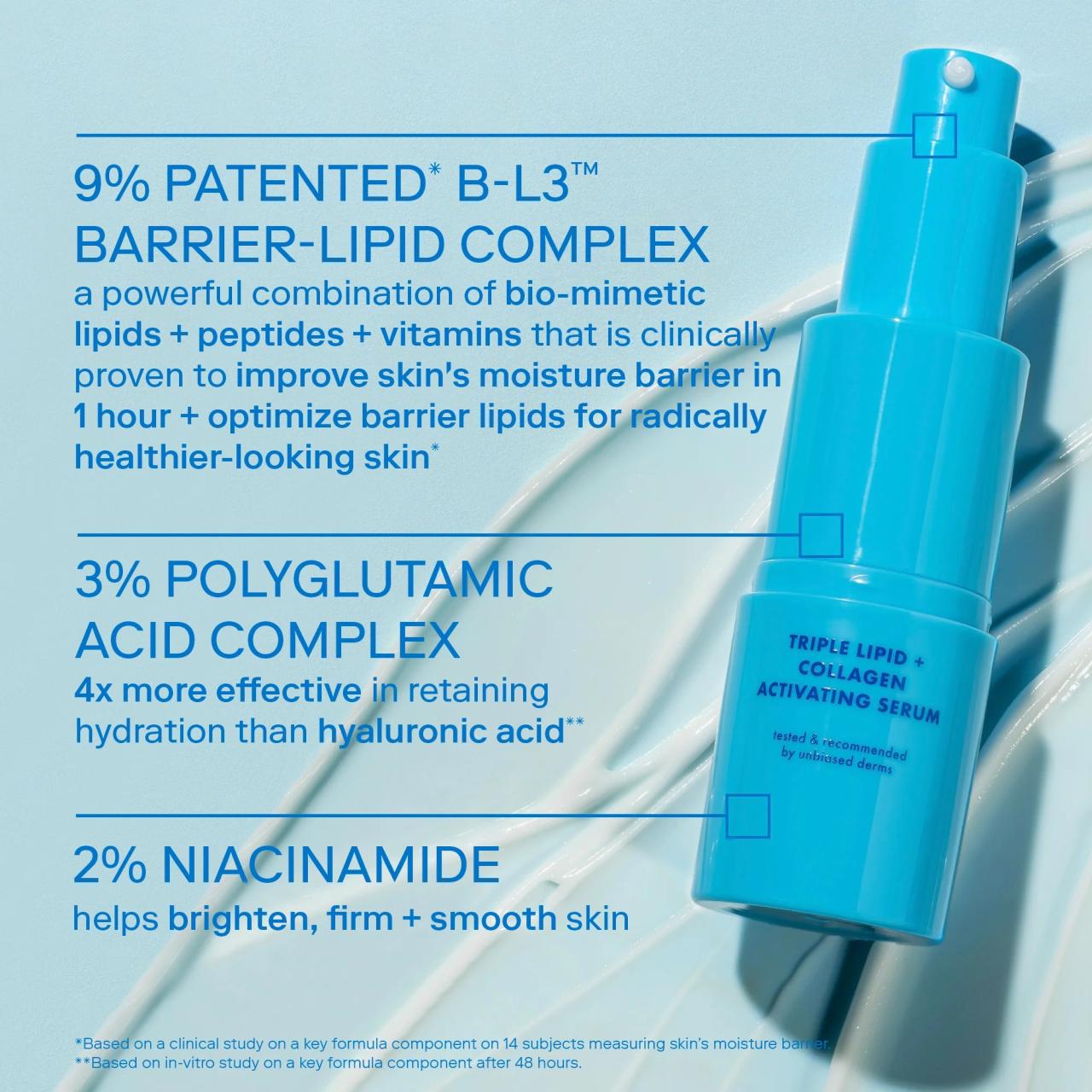
Niacinamide, also known as vitamin B3, has gained significant popularity in the skincare world due to its multifaceted benefits for skin health. This powerhouse ingredient is known for its ability to enhance hydration, minimize the appearance of pores, and improve overall skin texture, making it a favorite among beauty enthusiasts and professionals alike.Niacinamide plays a crucial role in maintaining skin hydration.
It strengthens the skin’s barrier function, which helps retain moisture and prevent dehydration. In doing so, it not only keeps the skin plump and radiant but also protects it from environmental stressors. Many users observe a marked improvement in skin dryness and flakiness after incorporating niacinamide into their routines.
Benefits for Pore Appearance and Skin Texture
One of the standout features of niacinamide is its ability to reduce the appearance of enlarged pores and refine skin texture. This occurs through several mechanisms, including regulating sebum production and encouraging cell turnover. By balancing oil levels, niacinamide helps prevent the clogging of pores, which is often a contributing factor to their enlarged appearance. Additionally, it promotes a smoother skin surface by enhancing overall skin quality.The effectiveness of niacinamide can be seen in various skincare products.
Here’s a look at some notable examples:
- The Ordinary Niacinamide 10% + Zinc 1%
-This serum is renowned for its lightweight formula and high concentration of niacinamide. Users report improved skin texture and reduced oiliness after consistent use. - CeraVe PM Facial Moisturizing Lotion
-Formulated with niacinamide, this moisturizer hydrates the skin while working to restore its protective barrier, making it ideal for nighttime use. - Paula’s Choice 10% Niacinamide Booster
-This concentrated booster can be added to other skincare products, providing versatility while effectively minimizing pore size and evening out skin tone.
Incorporating niacinamide into your skincare regimen can lead to a more refined complexion and enhanced hydration. Whether through serums, moisturizers, or boosters, the benefits of this ingredient are well-documented, making it a staple in many skincare routines.
Niacinamide and Mental Health
Niacinamide, a form of vitamin B3, has garnered attention not only for its skin benefits but also for its potential positive effects on mental health. Emerging research suggests that niacinamide may play a role in enhancing mood, stabilizing emotions, and improving cognitive function. Understanding the link between this nutrient and mental well-being can open doors to new approaches in managing conditions like anxiety and depression.Niacinamide is believed to influence mental health primarily through its role in the synthesis of neurotransmitters, which are essential for regulating mood and emotional responses.
Additionally, it has anti-inflammatory properties that may contribute to reducing symptoms associated with mood disorders. Several studies have explored these connections, shedding light on how niacinamide might be integrated into mental health care strategies.
Cognitive Function and Mood Stabilization
Research indicates that niacinamide may enhance cognitive function and promote mood stabilization. Here are key findings that illustrate this relationship:
-
In a study conducted by the National Institutes of Health, niacinamide supplementation was linked to improved cognitive function in older adults, suggesting its potential as a protective agent against cognitive decline.
-
A clinical trial published in the Journal of Clinical Psychiatry found that niacinamide, when used alongside standard treatments, helped reduce anxiety symptoms in participants with generalized anxiety disorder.
-
Further research demonstrated that niacinamide can enhance serotonin production, leading to improved mood and reduced depressive symptoms in individuals with mood disorders.
Given its potential benefits, niacinamide may serve as a complementary treatment option for individuals dealing with anxiety or depression. It could be used alongside traditional therapies to help mitigate symptoms and improve overall mental health outcomes. Understanding the dosage and administration in this context is crucial, and individuals should consult healthcare professionals for tailored advice.Overall, the integration of niacinamide into mental health strategies may offer new hope for those seeking additional support in managing their emotional well-being.
Niacinamide in Nutrition
Niacinamide, a form of vitamin B3, plays a crucial role not only in skincare but also in nutrition. It is essential for overall health, supporting various bodily functions and metabolic processes. The incorporation of niacinamide through dietary sources contributes significantly to our well-being and can help in weight management.Niacinamide is found in a variety of foods, making it accessible for those looking to enhance their nutrition.
Some primary dietary sources include:
- Meat: Chicken, turkey, and beef are excellent sources, providing substantial amounts of niacinamide.
- Fish: Tuna and salmon also contribute to your daily intake, offering additional health benefits from omega-3 fatty acids.
- Legumes: Peas, beans, and lentils serve as plant-based options rich in niacinamide.
- Nuts and Seeds: Almonds and sunflower seeds not only provide niacinamide but also healthy fats and proteins.
- Whole Grains: Brown rice, whole wheat bread, and oats are beneficial for overall digestion and health.
Incorporating these foods into your diet can help maintain adequate levels of niacinamide, which is vital for several metabolic processes. This includes energy production, DNA repair, and the regulation of cholesterol levels. Furthermore, niacinamide is believed to aid in weight management by enhancing the body’s metabolism, making it easier to maintain a healthy weight.
Comparison of Supplementation and Dietary Intake
While niacinamide supplements are available, obtaining this nutrient from natural dietary sources is often more beneficial. Natural intake provides the added advantage of other essential nutrients that work synergistically with niacinamide. For instance:
“Whole foods offer a complex array of vitamins, minerals, and phytochemicals that support overall health, unlike isolated supplements.”
Research supports that dietary sources of niacinamide are preferable for a couple of reasons:
- Better Absorption: Nutrients from whole foods are generally absorbed more effectively by the body compared to synthetic supplements.
- Reduced Side Effects: High doses of niacinamide supplements can lead to side effects such as flushing or gastrointestinal issues, which are less common with natural food sources.
- Comprehensive Health Benefits: Foods rich in niacinamide often contain additional compounds that promote cardiovascular health, support immunity, and enhance mood.
In conclusion, prioritizing dietary sources of niacinamide can be an effective strategy for enhancing metabolic health and supporting weight management while minimizing potential side effects associated with supplementation.
Summary
In summary, the benefits of niacinamide extend far beyond skincare, making it a valuable addition to both our beauty routines and nutritional intake. With its array of positive effects, it’s clear that niacinamide is a powerhouse ingredient that deserves a spot in our daily lives.
Popular Questions
What skin issues can niacinamide help with?
Niacinamide can help with acne, hyperpigmentation, and signs of aging by improving skin barrier function and reducing inflammation.
How often should niacinamide be used in skincare?
It can be used daily, typically in the morning and evening, depending on the product’s formulation.
Can niacinamide cause irritation?
Generally, niacinamide is well-tolerated, but some individuals may experience mild irritation, especially in high concentrations.
Is niacinamide effective for oily skin?
Yes, niacinamide helps regulate oil production and can improve the appearance of enlarged pores, making it beneficial for oily skin types.
Can niacinamide supplements impact mental health?
Some studies suggest that niacinamide may contribute to mood stabilization and cognitive function, but more research is needed for definitive conclusions.


