
Herbal medicine has been a cornerstone of healthcare for centuries, intertwining tradition and nature to promote health and wellness. From ancient civilizations to modern science, the journey of herbal medicine showcases its resilience and adaptability in an ever-evolving medical landscape.
Today, it encompasses a vast array of practices, from the use of common herbs in various cultures to its integration into mainstream healthcare. As we dive deeper into herbal medicine, we uncover its fascinating role in treating specific conditions, its effectiveness in mental health, and its support for women’s health throughout different life stages.
Herbal Medicine Basics
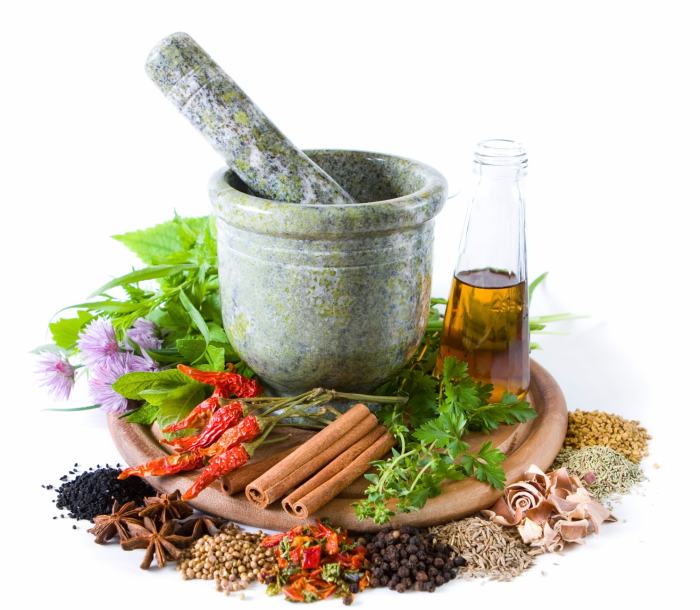
Herbal medicine, a practice dating back thousands of years, has played a significant role in the healthcare systems of various cultures around the world. Its roots can be traced to ancient civilizations where plants were used for medicinal purposes, laying the groundwork for modern pharmacology. Today, herbal medicine integrates traditional knowledge with contemporary health practices, making it a noteworthy component of holistic healing.The evolution of herbal medicine has been influenced by various cultures, including the Chinese, Indian, and Greek civilizations, each contributing unique herbs and healing methods.
As medicinal practices evolved, herbal medicine transitioned from local traditional remedies to a more structured field of study. In contemporary times, it is increasingly recognized for its potential synergy with conventional medicine, promoting a more integrated approach to healthcare.
Commonly Used Herbs in Traditional Practices
Numerous herbs have established a strong reputation in traditional medicine across various cultures. Understanding these herbs and their applications is crucial for anyone interested in herbal medicine. Here are some of the most commonly used herbs:
- Chamomile: Known for its calming properties, chamomile is frequently used in teas to aid sleep and digestion.
- Ginger: A staple in both culinary and medicinal applications, ginger is celebrated for its anti-inflammatory effects and ability to alleviate nausea.
- Turmeric: Recognized for its active compound curcumin, turmeric is widely used for its antioxidant and anti-inflammatory properties.
- Echinacea: Often used to boost the immune system, echinacea is popular during cold and flu season.
- Garlic: Valued not only for its culinary uses but also for its cardiovascular benefits and ability to enhance immune response.
Each of these herbs has a rich history and a wealth of knowledge surrounding their usage in traditional practices. They are not only effective on their own but can also complement other treatments, demonstrating the versatility and value of herbal medicine.
Role of Herbal Medicine in Modern Healthcare
Herbal medicine has carved a niche within the modern healthcare framework, where it is increasingly embraced alongside conventional treatments. This integration is fueled by ongoing research into the efficacy of herbal remedies and their potential benefits for chronic conditions. Herbal medicine plays a significant role in preventive healthcare, where lifestyle choices are paramount. For instance, incorporating herbs like garlic and ginger into one’s diet can enhance overall well-being and decrease reliance on pharmaceutical medications.
Moreover, healthcare providers are beginning to recognize the value of herbal medicine in treating specific ailments. Here are some notable examples:
- Chronic Pain Management: Herbs such as turmeric and willow bark have been shown to provide relief from chronic pain conditions.
- Digestive Health: Peppermint and fennel are commonly used to alleviate gastrointestinal discomfort and improve digestion.
- Mental Health: Adaptogens like ashwagandha and Rhodiola rosea are utilized to help manage stress and enhance mood.
The growing acceptance of herbal medicine in hospitals and clinics highlights its importance. Many practitioners now recommend herbal supplements as adjuncts to traditional treatments, acknowledging the potential benefits of a comprehensive approach to patient care.
“Herbal medicine bridges the gap between tradition and modernity, offering a holistic approach that aligns with contemporary healthcare needs.”
Herbal Remedies for Specific Conditions
Herbal remedies have been used for centuries to address various health concerns, offering a natural alternative to conventional treatments. This section explores effective herbal treatments for common diseases, their role in mental health, and their supportive function in women’s health throughout different life stages. Understanding these remedies can empower individuals to make informed choices about their healthcare.
Herbal Treatments for Common Diseases
Certain herbal remedies have showcased effectiveness for various common conditions. These plants can offer relief and aid recovery for ailments ranging from minor illnesses to chronic diseases. Here are some notable examples:
- Chamomile: Known for its calming effects, chamomile is often used to alleviate insomnia and digestive issues.
- Ginger: This powerful root is effective in reducing nausea, particularly in cases of morning sickness and motion sickness.
- Echinacea: Frequently utilized for its immune-boosting properties, echinacea is a popular choice for preventing and treating colds.
- Turmeric: With its anti-inflammatory benefits, turmeric can help manage conditions like arthritis and joint pain.
- Peppermint: Known for its digestive benefits, peppermint can aid in relieving symptoms of irritable bowel syndrome (IBS).
Effectiveness of Herbal Remedies in Mental Health
Herbal medicine has gained recognition for its potential to support mental health. Various herbs have shown promise in alleviating symptoms of anxiety, depression, and stress. The following herbs are noteworthy for their mental wellness benefits:
- St. John’s Wort: Often used as a natural antidepressant, it can help relieve mild to moderate depression.
- Lavender: Known for its relaxing properties, lavender can help reduce anxiety and improve sleep quality.
- Rhodiola Rosea: This adaptogen is believed to enhance mood and reduce fatigue, making it beneficial for stress management.
- Passionflower: Often used to treat anxiety and insomnia, it can promote relaxation without sedative effects.
Support for Women’s Health During Various Life Stages
Herbal medicine can play a significant role in supporting women’s health across different phases of life, from menstruation to menopause and beyond. Here are some key herbs tailored to women’s health needs:
- Black Cohosh: Frequently used to alleviate menopausal symptoms such as hot flashes and mood swings.
- Red Clover: Known for its phytoestrogen content, red clover can help manage symptoms associated with menopause and support hormonal balance.
- Raspberry Leaf: Often recommended during pregnancy for its ability to tone the uterus and ease labor.
- Evening Primrose Oil: This oil is valued for its ability to relieve symptoms of premenstrual syndrome (PMS) and support skin health.
“Herbal remedies can provide supportive care and enhance overall wellness, particularly for specific conditions affecting women throughout their life.”
Herbal Medicine in Alternative Treatments
Herbal medicine serves as a powerful alternative treatment option, offering diverse solutions to health concerns that may not fully respond to conventional therapies. Many individuals are turning to herbal remedies as an adjunct or alternative to standard medical practices, seeking natural options for their health needs. This shift highlights a growing interest in understanding the role of herbs in supporting wellness and treating various conditions.The comparison between herbal medicine and conventional treatments often reveals distinct philosophies regarding health.
While conventional treatments primarily target specific symptoms or diseases through pharmaceuticals, herbal medicine emphasizes holistic approaches, aiming to restore balance and support overall health. Conventional treatments can be effective but may also come with side effects and dependency issues. In contrast, herbal remedies typically boast fewer adverse effects, although their efficacy can vary based on individual responses and herbal quality.
Herbal Supplements for Addiction Recovery
Various herbal supplements have been utilized to support individuals in addiction recovery, helping to alleviate withdrawal symptoms, reduce cravings, and promote overall well-being. The following list highlights some notable herbal options that may aid in this process:
- Milk Thistle: Known for its liver-supporting properties, milk thistle may help detoxify and restore liver health, which is crucial during addiction recovery.
- St. John’s Wort: Often used to improve mood and relieve anxiety, it may be beneficial for those experiencing depression during the recovery phase.
- Passionflower: This herb can promote relaxation and reduce anxiety, making it helpful for managing stress in recovery.
- Kava: Traditionally used to promote calmness, kava may help reduce feelings of stress and anxiety associated with withdrawal.
- Ginseng: Known for its energy-boosting properties, ginseng may help combat fatigue and increase overall vitality during recovery.
The use of these herbal supplements should be approached with caution, emphasizing the importance of consulting healthcare professionals to ensure safety and effectiveness.
Integration of Herbal Medicine in Fitness and Nutrition Plans
Incorporating herbal medicine into fitness and nutrition plans can enhance overall health and performance. Herbal remedies can offer additional nutritional benefits, support recovery, and improve focus and endurance during workouts. Specific herbs can be strategically included in dietary routines to maximize these effects.For instance, the use of ginger can assist with reducing inflammation and muscle soreness after intense workouts.
Turmeric, with its active compound curcumin, is renowned for its anti-inflammatory properties, making it a popular addition to post-exercise recovery meals. Green tea is another excellent choice, as it contains antioxidants that may aid in fat metabolism and provide a natural energy boost.Additionally, herbs like ashwagandha can help manage stress levels, contributing to better workout performance and recovery times.
Integrating these herbs into smoothies, teas, or as supplements can enrich fitness regimens, supporting both physical and mental well-being throughout the fitness journey. Overall, the fusion of herbal medicine with conventional fitness and nutrition strategies showcases the potential of holistic approaches in achieving optimal health outcomes.
Last Word
In conclusion, herbal medicine continues to thrive as an alternative and complementary approach to healthcare, offering natural solutions for both physical and mental well-being. With ongoing research and a growing acceptance in modern medicine, the power of herbs is being recognized more than ever, encouraging us to explore these natural remedies for a healthier future.
FAQ Insights
What are herbal medicines?
Herbal medicines are products made from plants used for medicinal purposes, including extracts, teas, and capsules.
Are herbal medicines safe to use?
While many herbal medicines are safe, it’s essential to consult a healthcare professional before starting any new treatment, especially if you have underlying health conditions or are taking other medications.
How do I know which herbal remedy to use?
Choosing the right herbal remedy depends on your specific health needs; consulting with a qualified herbalist or healthcare provider can help guide your decisions.
Can herbal medicine be used alongside conventional treatments?
Yes, many people use herbal medicine alongside conventional treatments, but it’s crucial to discuss this with your healthcare provider to avoid potential interactions.
Where can I find reliable herbal medicine information?
Look for information from reputable sources such as healthcare providers, herbal medicine organizations, and peer-reviewed journals.


