
Mental wellness routines are essential for maintaining a healthy and balanced lifestyle. These practices not only enhance our emotional resilience but also foster mindfulness and self-awareness.
By integrating small yet effective daily habits, individuals can significantly improve their mental health. From meditation to cultural rituals, exploring various techniques can open doors to new perspectives on mental well-being.
Mental Wellness Routines
Establishing daily mental wellness routines is essential for maintaining a balanced and healthy mind. In our fast-paced world, creating consistent habits that nurture mental well-being can lead to improved focus, reduced stress, and increased overall happiness. These routines serve as a foundation for emotional resilience, allowing individuals to navigate daily challenges with greater ease.Incorporating mindfulness into daily life is a key aspect of mental wellness routines.
Mindfulness involves being present and fully engaged in the moment, which can help reduce anxiety and enhance emotional regulation. By integrating mindfulness practices into everyday activities, individuals can foster a deeper connection with their experiences and thoughts.
Mindfulness Techniques for Daily Life
There are numerous techniques for incorporating mindfulness into daily routines. These strategies can enhance mental wellness by promoting a sense of calm and clarity. Below are several effective techniques:
- Meditation: Setting aside a few minutes each day for meditation can significantly improve mental clarity and reduce stress. This practice can range from guided sessions to silent contemplation, allowing individuals to find a style that suits them best.
- Mindful Breathing: Practicing deep, mindful breathing can be done anywhere, anytime. Focusing on the breath helps anchor the mind to the present, reducing distractions and promoting relaxation.
- Gratitude Journaling: Taking time each day to write down things you are grateful for can shift focus away from negative thoughts and foster a positive mindset.
- Mindful Eating: Paying attention to the sensory experience of eating can enhance enjoyment and help cultivate a healthier relationship with food. This involves savoring each bite, noticing textures, and appreciating flavors.
- Digital Detox: Designating specific times to unplug from digital devices can create space for mindfulness. This can involve spending time in nature, reading a book, or engaging in hobbies that bring joy.
Cultural Examples of Mental Wellness Routines
Various cultures around the world have unique mental wellness routines that highlight the importance of well-being. These practices offer insights into different approaches to maintaining mental health.
- Japanese Shinrin-yoku: Known as “forest bathing,” this practice involves immersing oneself in nature to enhance well-being. The focus is on being present in natural surroundings, which can lead to reduced stress and increased relaxation.
- Indian Yoga: Rooted in ancient traditions, yoga combines physical postures, breathing exercises, and meditation. It promotes mental clarity and emotional stability, making it a holistic approach to mental wellness.
- Scandinavian Hygge: This Danish concept emphasizes coziness and comfort. Creating an environment that fosters warmth, connection, and relaxation is central to achieving mental wellness.
- Spanish Siesta: The practice of taking a midday break to rest can enhance productivity and mental clarity. This cultural routine emphasizes the importance of rest and rejuvenation for mental health.
- African Ubuntu Philosophy: Ubuntu promotes community interconnectedness and shared well-being. This philosophy encourages individuals to support one another, fostering emotional resilience and collective mental wellness.
Integrating Health and Wellness
Mental wellness routines play a crucial role in enhancing overall health. By nurturing mental health, individuals can experience significant improvements in their physical well-being, leading to a more balanced and fulfilling life. This connection between mental and physical health emphasizes the importance of integrating wellness practices into daily routines.Regular mental wellness practices not only enhance emotional resilience but also result in tangible physical health benefits.
For instance, stress reduction from mindfulness or meditation can lower blood pressure, boost the immune system, and improve sleep quality. Conversely, neglecting mental health can lead to chronic illnesses, making the integration of these practices vital for optimal health.
Influence of Mental Wellness on Physical Health
The relationship between mental wellness and physical health is profound and multifaceted. Mental health issues, such as anxiety and depression, can lead to physical symptoms and chronic health conditions. Understanding this connection allows for a more holistic approach to health.
- Mental wellness routines can lower cortisol levels, reducing stress-related diseases.
- Engaging in regular physical activities boosts mood and reduces anxiety, creating a positive feedback loop.
- Emotional well-being encourages healthier lifestyle choices, including exercise and proper nutrition.
Combining Nutrition and Mental Health Practices
Nutrition plays an essential role in supporting mental wellness. The food we consume can significantly affect our mood, energy levels, and overall mental health. Combining nutrition with mental health practices can lead to a more balanced approach to well-being.A nutritious diet rich in omega-3 fatty acids, vitamins, and minerals can enhance brain function and emotional stability. Here are some effective methods for integrating nutrition into mental health practices:
- Focus on whole foods, such as fruits, vegetables, whole grains, and lean proteins, to support brain health.
- Incorporate foods high in omega-3 fatty acids, like salmon and walnuts, which are linked to lower rates of depression.
- Stay hydrated, as dehydration can negatively impact mood and cognitive function.
Comparison of Traditional Healthcare and Alternative Treatments
The traditional healthcare approach often relies on medication and therapy for mental health issues, while alternative treatments can offer complementary benefits. Both approaches have their merits, and understanding their differences can help individuals make informed choices.Traditional healthcare typically includes:
- Prescription medications like antidepressants and anxiolytics that target chemical imbalances.
- Standardized therapeutic approaches, such as cognitive-behavioral therapy (CBT), which focuses on changing negative thought patterns.
Alternative treatments may include:
- Mindfulness practices like yoga and meditation that promote relaxation and emotional regulation.
- Nutritional therapy, which emphasizes the role of diet in mental health, focusing on whole foods and supplements to support brain function.
- Herbal supplements, such as St. John’s Wort, which some studies suggest may help alleviate mild to moderate depression.
These alternative methods can enhance the efficacy of traditional treatments, offering a more comprehensive approach to mental wellness. By integrating both traditional and alternative practices, individuals can create a well-rounded strategy for maintaining their mental health.
Targeted Mental Wellness Strategies
Understanding targeted mental wellness strategies is essential for addressing specific health issues that individuals may face. These strategies are tailored to support diverse needs, particularly focusing on women’s health issues, enhancing emotional stability through fitness, and guiding mental wellness routines for children. By implementing the right practices, individuals can cultivate a healthier mental state while navigating life’s challenges.
Mental Wellness Routines Specific to Women’s Health Issues
Tailored mental wellness routines can empower women to manage unique health challenges effectively. Emphasizing emotional resilience and self-care, these routines focus on various aspects of mental well-being. Here are some key strategies to consider:
- Mindfulness Meditation: Engaging in mindfulness practices helps reduce anxiety and enhances emotional regulation, providing a calming effect on the mind.
- Journaling: Writing down thoughts and feelings can serve as a therapeutic outlet, allowing for reflection and emotional processing.
- Support Groups: Participating in groups specifically aimed at women’s health issues can create a sense of community and shared experience, fostering connection and support.
- Creative Expression: Activities such as painting, dancing, or crafting can improve mood and provide an emotional release.
- Regular Check-ins: Scheduling time for self-reflection or therapy sessions can help women stay attuned to their mental health needs.
Role of Fitness in Enhancing Mental Wellness and Emotional Stability
Fitness plays a crucial role in promoting mental wellness and emotional stability. Engaging in regular physical activity not only benefits physical health but also significantly enhances mood and cognitive function. The release of endorphins during exercise has been shown to alleviate feelings of stress and anxiety. Many fitness activities, such as yoga or aerobic exercises, combine physical movement with mindfulness, which can contribute to improved mental clarity and emotional balance.
For example, a study conducted by the Mayo Clinic found that consistent aerobic exercise leads to a decrease in symptoms of anxiety and depression in various age groups.
“Exercise is a powerful antidote to stress, anxiety, and depression.”
Mental Wellness Routines for Children
Establishing age-appropriate mental wellness routines for children is vital for their emotional development and resilience. These practices not only support mental health but also equip children with tools to navigate challenges as they grow. Here is a guide to effective routines:
- Storytime Relaxation: Setting aside a period for reading can help children unwind and develop their imagination, fostering a positive mindset.
- Breathing Exercises: Teaching simple breathing techniques can help children manage stress and anxiety, allowing them to regain focus and calm.
- Physical Play: Engaging in playtime activities encourages physical movement, which is essential for both physical and mental health.
- Gratitude Journals: Encouraging children to write down things they are thankful for can promote a positive outlook and emotional awareness.
- Creative Arts: Providing outlets for artistic expression, such as drawing or music, helps children articulate their feelings and enhances emotional intelligence.
Last Recap
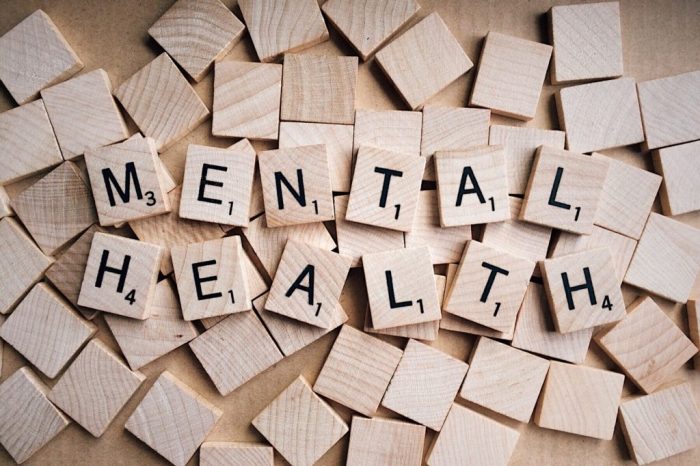
In summary, establishing mental wellness routines can be transformative, leading to enhanced emotional stability and overall health. As we embrace these practices, we not only invest in our mental health but also create a supportive environment for ourselves and those around us.
Questions and Answers
What are mental wellness routines?
Mental wellness routines are daily practices designed to promote emotional balance and mental health.
How long does it take to see results from mental wellness routines?
<p Results can vary, but many individuals notice improvements within a few weeks of consistent practice.
Can mental wellness routines help with stress management?
Yes, they can significantly reduce stress levels by promoting relaxation and mindfulness.
Are mental wellness routines suitable for children?
Absolutely! Many routines can be adapted to be age-appropriate for children.
Do I need a lot of time to practice mental wellness routines?
No, even short practices can be effective. A few minutes a day can make a big difference.


